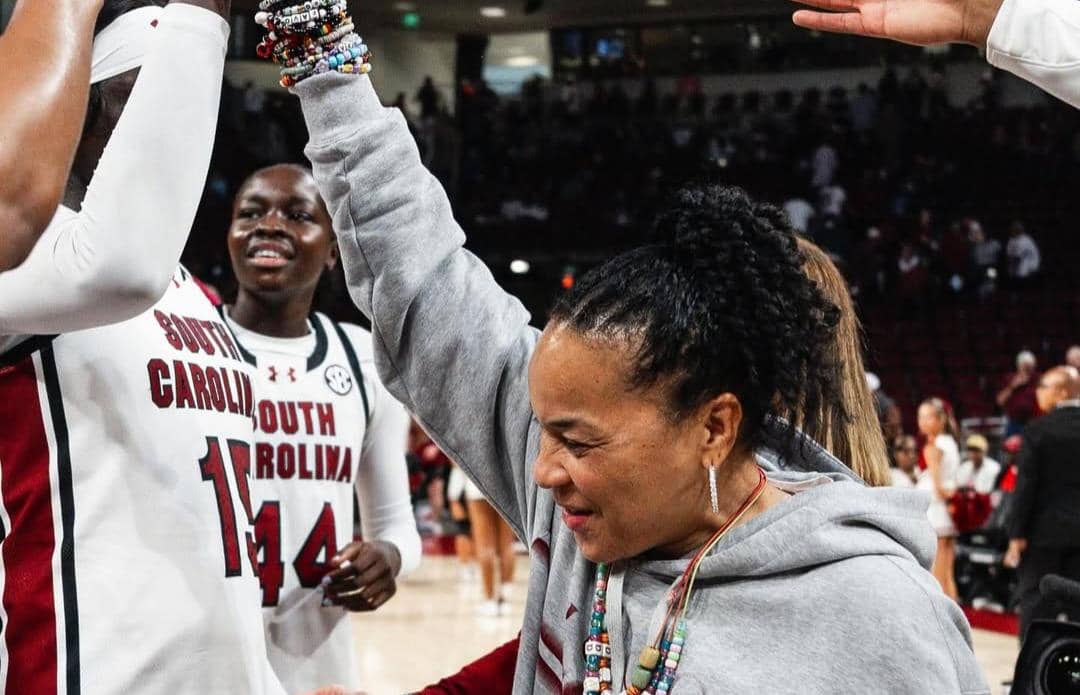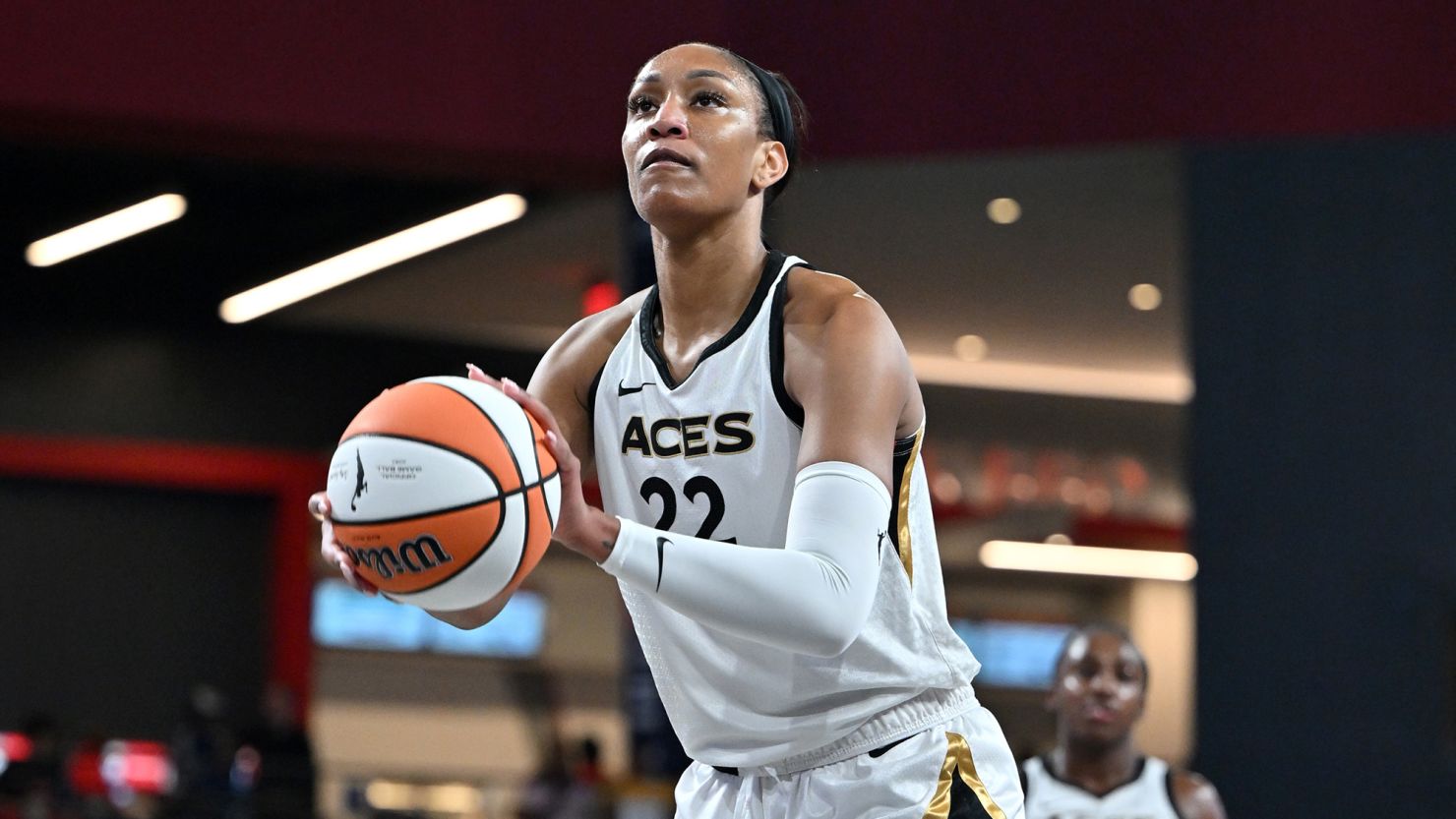
South Carolina enters the 2026-27 season with a full roster of 15 players — an unusual situation for a program that rarely operates at that capacity. To understand how Dawn Staley might navigate the challenge of keeping everyone engaged and productive, it helps to look back at the last time she faced a similar circumstance: the 2021-22 season.
Staley has been open about her preference for carrying 12 to 13 players. The reasoning is practical. Even the deepest rosters typically cycle through only about 10 players per game, as exceeding that number makes it difficult for individuals to find a rhythm. The dynamic is compounded by the fact that women’s college teams practice against male practice players, which means those outside the regular rotation often miss meaningful practice reps as well.
Beyond the on-court concerns, roster management carries financial weight in the current NIL and revenue-sharing landscape. Carrying 14 or 15 players raises the question of whether it makes more sense to pay a reserve who won’t see significant action, or redirect those resources toward upgrading a starting spot.
Lessons From 2021-22
The 2021-22 Gamecocks actually operated with 16 players due to a one-season waiver on roster limits. That group featured the “Freshies” — including Aliyah Boston — in their junior seasons, alongside what was then the nation’s top-ranked signing class. Despite the logistical challenge, South Carolina won its second national championship.
Before the season’s opening game at NC State, Staley set the tone with a message that would prove prophetic.
“This is what we said from the very beginning of the year: to make this a special year for us, we only need what you do best,” she said. “It is when you try to do stuff that someone is best at is going to get us in trouble.”
That philosophy grew directly from a painful lesson. In 2018-19, Staley had 13 talented players but few clearly defined roles. The result was the program’s worst season since 2012. She came away from that year determined to communicate individual roles to each player with clarity and consistency.
Playing Matchups, Not Stars
The approach paid dividends in the 2022 Final Four. Destanni Henderson’s performance in the championship game drew most of the attention, but Staley was simultaneously making calculated matchup decisions throughout the run.
Facing Louisville’s smaller guards, Staley leaned into size — limiting 5-foot-9 Zia Cooke to 22 minutes so that 6-foot-1 Saniya Rivers could log 20. Against UConn, the calculus flipped: Staley wanted more shooting, so Rivers played just five minutes while Cooke played 30 and Bree Hall added 10. In both games, Kamilla Cardoso — one of the team’s most gifted players — totaled just 15 minutes combined, because the matchups called for something different.
Staley addressed the thinking behind that approach before the season began.
“That’s why we ask our players, we only want what you do best,” Staley said. “We don’t want what you’re average at because what you’re average at, (for) somebody else, it’s their best. That is hard for players. It kind of puts the clamps on them a little bit, but with who we have, we have to play that way.”
It is a philosophy that rewards role clarity over raw talent rankings. Victaria Saxton — never among the five most individually gifted players on the roster — started for three seasons precisely because she understood and executed her role.
The 2026-27 Puzzle
The current roster presents a similar challenge. South Carolina returns seniors Chloe Kitts and Tessa Johnson and junior Joyce Edwards, while integrating the nation’s second-ranked recruiting class and transfer Jordan Lee. There are more players than there are available minutes.
Health will also be a factor worth monitoring. Ashlyn Watkins, Kitts, incoming signees Kaeli Wynn and Kelsi Andrews are all coming off significant injuries, and it remains possible that one or more could begin the season at less than full strength — a dynamic that, like in 2021-22 when Raven Johnson tore her ACL early, could reshape the rotation before it ever fully takes form.
The summer and fall camp will be the window for the coaching staff to define roles and for players to embrace them. If history is any guide, Staley will find a way to make it work.