A recent mailbag session on The Insiders Forum tackled key questions about SEC basketball, revealing insights into conference matchups and systemic coverage issues plaguing women’s sports.
Conference Predictions and Key Matchups
Regarding South Carolina’s women’s team prospects, one analyst maintained their preseason forecast of a loss at LSU while noting Oklahoma’s improvement could present additional challenges. The upcoming stretch includes critical home games against Alabama and Georgia, both appearing tournament-bound. Historically, Alabama has struggled in Columbia, losing every game there by double digits since 2005, excluding the 2019 season.
For SEC tournament seeding, South Carolina, Texas, Oklahoma, and LSU remain projected as top-four seeds despite stronger-than-expected performances from Kentucky, Georgia, and Alabama.
Player Updates and Impact Assessments
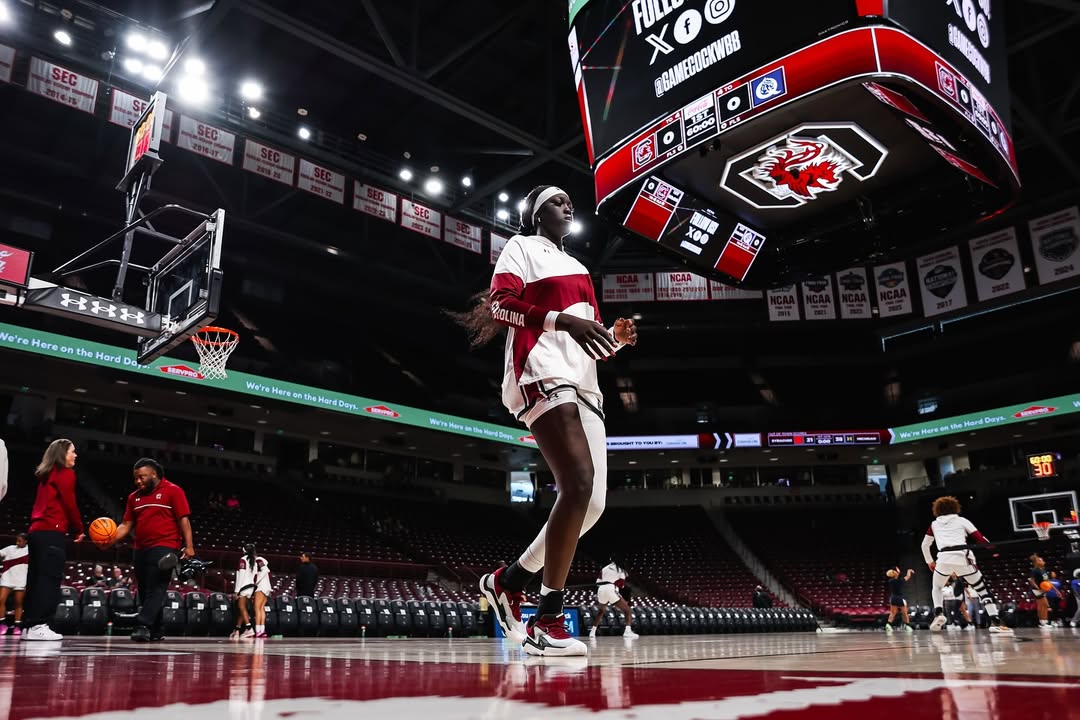
When evaluating bench contributions, Agot Makeer emerged as a potential difference-maker due to her positional versatility and defensive disruption. Her length creates problems for opponents, and she excels in transition, aligning with South Carolina’s preferred tempo.
Regarding injury recoveries, Chloe Kitts is reportedly progressing exceptionally well and expected to reach full strength before next season. Her continued involvement with the team suggests strong commitment to returning.
The Media Coverage Crisis
UCLA coach Cori Close’s recent comments about limited media presence at their ranked matchup against Ohio State highlighted broader problems in women’s basketball journalism. The game occurred during Christmas break, competing with NFL games and Ohio State football’s Cotton Bowl preparation, leading outlets to rely on wire reports.
Los Angeles teams face particular challenges. When covering the South Carolina-UCLA game, reporters were warned about unprecedented credential requests and limited space. Close reportedly remarked about the unusually robust media presence, noting it resembled what press conferences should look like.
The disparity becomes stark when examining coverage patterns. Most nationally-ranked programs have only two or three regular beat reporters, expanding to five or six for marquee games. South Carolina’s situation—with five writers, AP coverage, four TV stations, and student media at every home game—represents a significant exception rather than the norm.
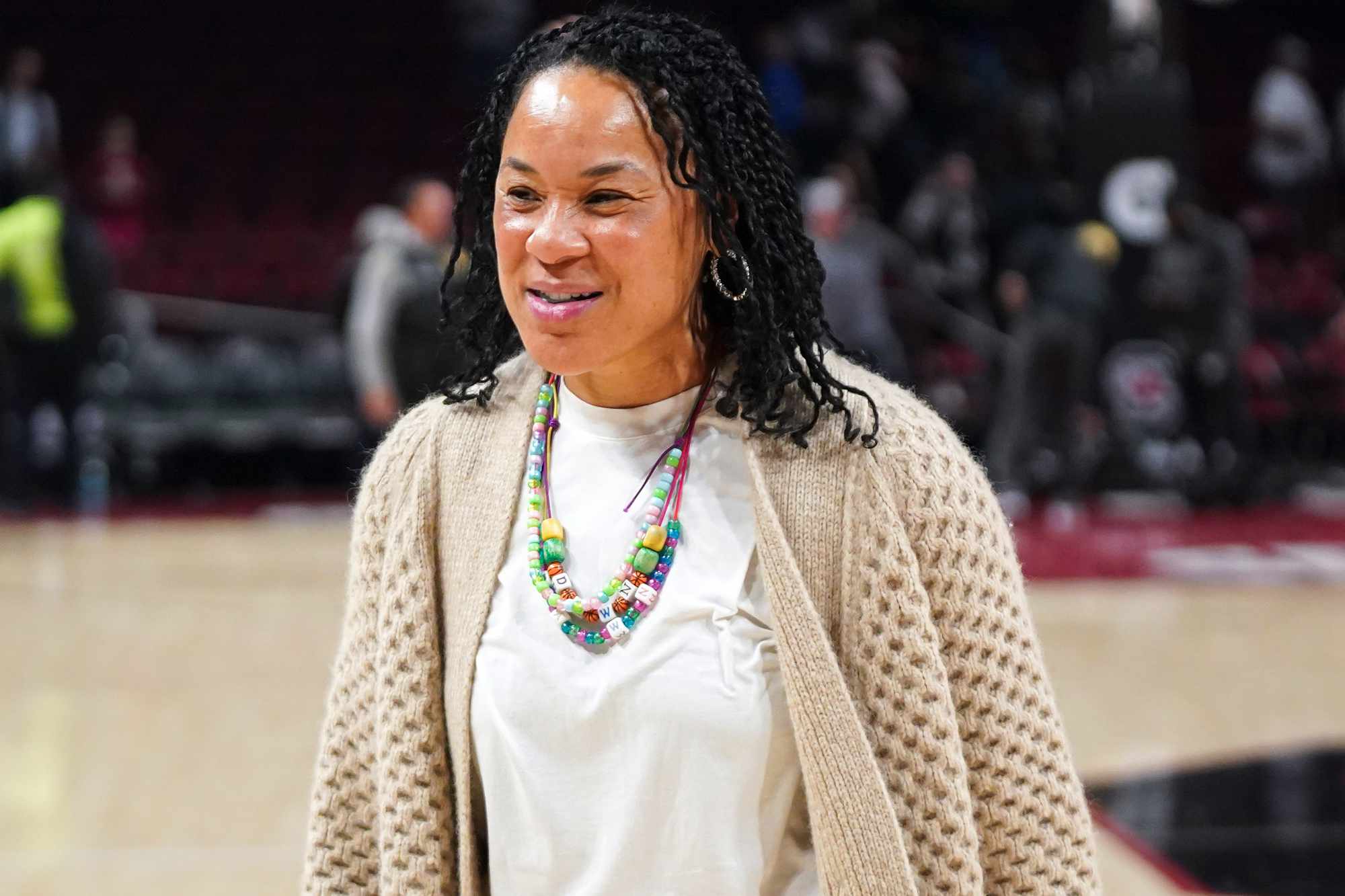
Dawn Staley has acknowledged this advantage, stating that South Carolina receives coverage comparable to mainstream sports. This comprehensive approach has practical benefits: before SEC availability reports became standard, obtaining basic injury information about opposing teams proved extremely difficult due to absent beat coverage.
The South Carolina media contingent has developed a reputation for substantial road game presence, previously associated with UConn. One ACC sports information director reportedly expressed frustration about accommodating just five additional credentials, despite their men’s program’s national championship pedigree.
This coverage gap affects competitive intelligence, coach preparation, and overall sport development, underscoring how infrastructure disparities extend beyond playing facilities and recruiting budgets into fundamental information ecosystems supporting women’s basketball.
